The three most effective adaptive rocking tools for movement needs include the SensaRock ($290.95) for coordination development, the Wheelchair Platform Rocker (starting at $1,096.95) for accessibility, and the Twirling See Saw ($87.95) for balance skills. You’ll find these options provide essential proprioceptive input while enhancing body awareness and emotional regulation through rhythmic movement. Each tool offers varying levels of support and sensory engagement to match your specific therapeutic goals and mobility challenges.
Benefits of Adaptive Rocking Equipment for Sensory Processing

While traditional mobility aids focus primarily on transportation, adaptive rocking equipment provides essential sensory benefits that enhance therapeutic outcomes for individuals with processing challenges.
When you introduce tools like wheelchair platform rockers or Big Bean Rocker Chairs into therapy sessions, you’re offering vital proprioceptive input that improves body awareness and gross motor skills.
The rhythmic movement these adaptive rocking equipment pieces provide helps regulate emotional responses, creating a calming effect that supports overall emotional well-being.
You’ll notice users develop greater confidence in their movement abilities as they engage with these sensory-rich tools.
Beyond individual benefits, adaptive rocking equipment encourages social interaction through shared experiences, making sensory processing support more engaging and effective.
The soothing motion becomes both therapeutic and enjoyable for users with diverse needs.
Top Therapeutic Rocking Tools for Different Mobility Levels
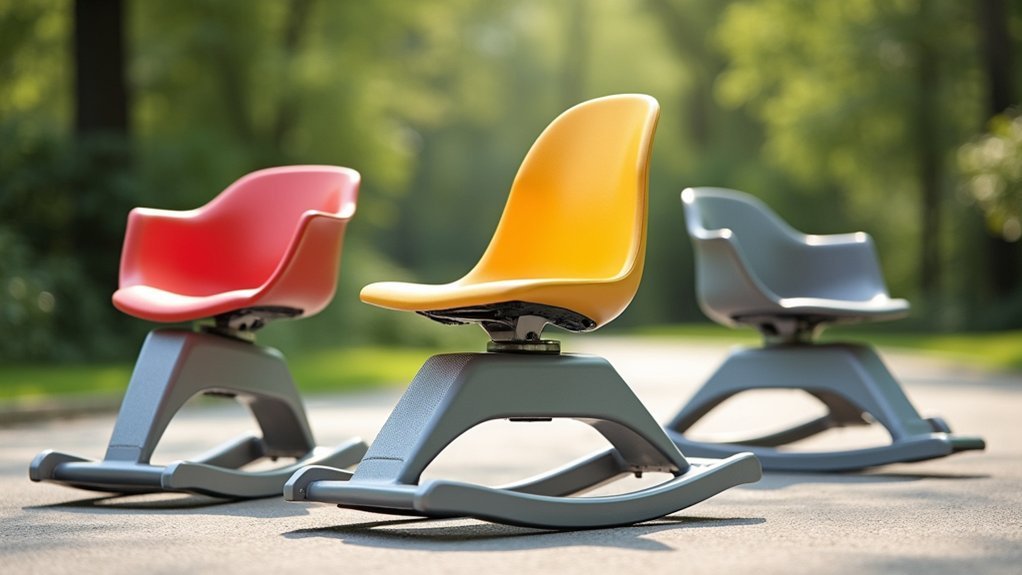
Selecting the right therapeutic rocking tool can transform sensory therapy outcomes for individuals across mobility levels. The Big Bean Rocker Chair ($380.00) delivers exceptional sensory engagement while supporting users in various settings.
Therapeutic rocking tools provide essential sensory input while accommodating diverse mobility needs in clinical and home environments.
For active users, the SensaRock ($290.95) helps enhance coordination through continuous movement patterns.
If you’re seeking portable adaptive rocking tools, consider the Twirling See Saw ($87.95), which facilitates movement while developing balance skills.
The Rifton Compass Chair offers versatile positioning to address specific therapeutic needs with proper postural support.
For those with mobility challenges, Wheelchair Platform Rockers (starting at $1,096.95) provide accessible rocking experiences that encourage movement without transferring from wheelchairs.
Each tool offers unique benefits to support sensory processing across different physical abilities.
Choosing the Right Adaptive Rocking Equipment for Specific Needs
How can you match the perfect adaptive rocking tool to an individual’s unique therapeutic requirements? Start by identifying specific mobility challenges the user faces. For those with mobility impairments, Wheelchair Platform Rockers provide accessible relaxation options.
Consider sensory play needs when selecting equipment like the SensaRock ($290.95), which enhances coordination and balance while developing motor skills.
For extensive therapeutic needs, the customizable Rifton Compass Chair supports proper posture without initial cost.
If you’re looking for comfort combined with sensory engagement, the Big Bean Rocker Chair ($380.00) delivers in various therapeutic settings.
For group scenarios, lightweight options like the Twirling See Saw ($87.95) encourage interactive play and teamwork.
Each choice should align with your specific goals—whether improving motor skills, enhancing sensory integration, or promoting social interaction.
Frequently Asked Questions
How Long Do Adaptive Rocking Tools Typically Last?
Adaptive rocking tools typically last 3-5 years, but your usage frequency and care routine impact durability. You’ll extend their lifespan by following maintenance guidelines and addressing wear immediately. Quality models may last longer.
Can Multiple Users Share the Same Adaptive Rocking Equipment?
You can share adaptive rocking equipment with multiple users, but it’s important to contemplate individual needs, sanitize between uses, and adjust settings for each person. Always prioritize safety and personalized comfort.
Are There DIY Options for Adaptive Rocking Tools?
Yes, you can make DIY adaptive rocking tools using household items. Create rockers from curved wood boards, repurpose yoga balls with stabilizing bases, or build weighted rocking chairs with simple materials and plans.
What Maintenance Is Required for Adaptive Rocking Equipment?
You’ll need to regularly check for loose parts, clean surfaces with disinfectant, lubricate moving components, inspect weight capacity elements, and replace worn cushions. Don’t forget to follow manufacturer guidelines for specific maintenance requirements.
Are Insurance Plans Likely to Cover Adaptive Rocking Tools?
Insurance coverage for adaptive rocking tools varies widely. You’ll need a doctor’s prescription with medical necessity documentation. Contact your insurer directly to verify coverage under durable medical equipment benefits before purchasing.
In Summary
Adaptive rocking tools provide essential sensory input that benefits people with diverse movement needs. You’ll see improvements in self-regulation, focus, and overall wellbeing when you incorporate the right equipment into your daily routine. Whether you’re seeking options for limited mobility or looking for therapeutic benefits, there’s a rocking solution that can meet your specific requirements. Don’t wait to discover how these tools can transform your sensory experience.