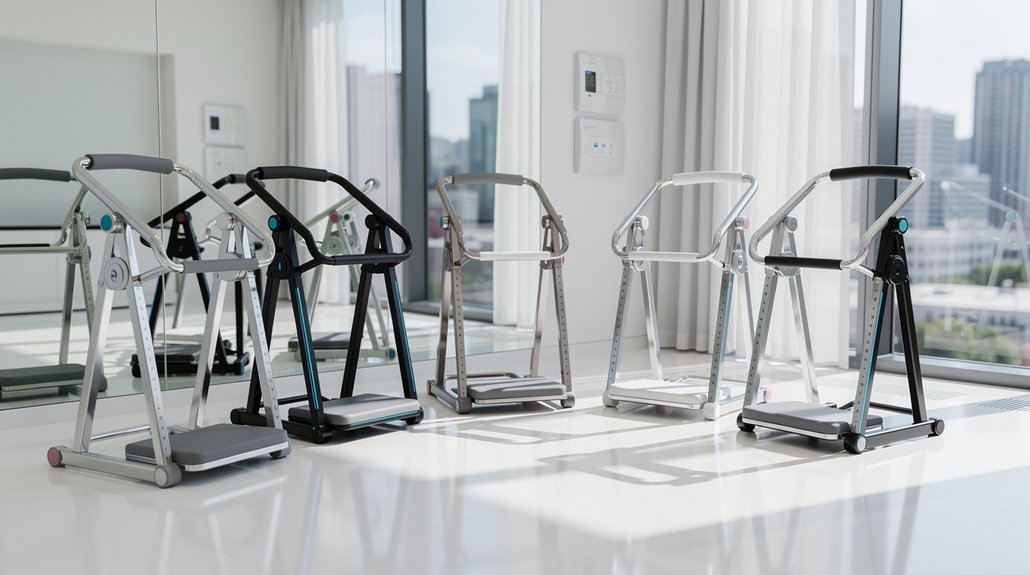
For mobility challenges, select bikes with step-through frames, wider wheelbases for stability, and reliable braking systems. Consider electric assistance for hills and longer rides. Prioritize adjustable features that accommodate your specific needs. Look into adaptive designs like trikes for balance issues or handcycles for lower body limitations. Choose lightweight frames for easier handling. Don’t overlook ergonomic seating and handlebars for comfort. The right adaptive bike can transform limitations into newfound freedom.
Understanding Adaptive Bike Designs For Various Mobility Needs
While traditional bicycles may seem inaccessible to those with mobility challenges, adaptive bikes open up cycling possibilities for nearly everyone.
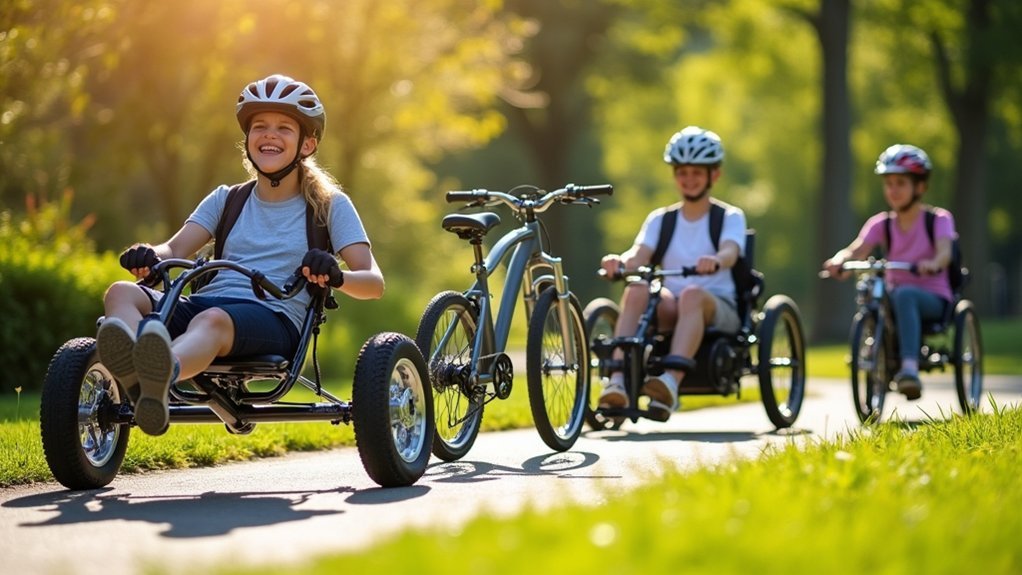
These specialized cycles come in various configurations to address specific mobility issues, including tricycles for balance concerns and tandems for visually impaired riders who need sighted partners.
If you’re dealing with lower body disabilities, handcycles allow you to power your ride using arm strength, with customization options for maximum comfort.
Many adaptive bikes feature a low step-through frame, making mounting and dismounting easier—ideal if you’re recovering from surgery or have limited mobility.
For neck or back pain, consider recumbent cycles with ergonomic seating that enhances stability while reducing discomfort.
To find your perfect match, consult with adaptive cycling specialists who can guarantee proper sizing and features.
Selecting The Right Frame Type For Your Specific Challenge
Finding the right adaptive cycle begins with understanding frame types that match your specific mobility needs.
If you struggle with lifting your leg over traditional frames, consider bikes with low step-through designs that allow easy mounting and dismounting, greatly reducing fall risks.
For those with balance concerns, electric trikes offer exceptional stability while eliminating the fear of tipping over. The three-wheel configuration provides confidence even at slow speeds or when stopping.
Lightweight aluminum frames are ideal if you have strength limitations, as they’re easier to maneuver and control than heavier steel alternatives.
Look for models with adjustable features like customizable seat heights and handlebar positions to accommodate your specific body mechanics.
Remember that the right frame isn’t just about accessibility—it should also support comfortable riding positions that won’t exacerbate existing mobility challenges.
Electric Assistance Options That Enhance Independence
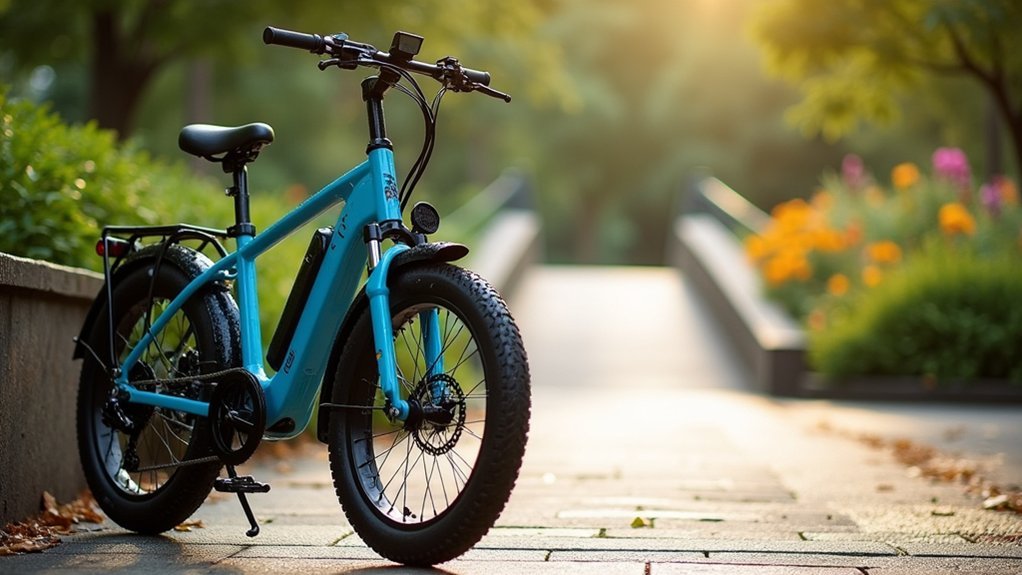
You’ll find electric bikes with adjustable pedal-assist power levels let you easily match the support to your specific mobility needs, whether tackling hills or conserving energy for longer rides.
Throttle control options offer the freedom to cruise without pedaling when fatigue sets in or when maneuvering particularly challenging terrain.
Your independence hinges on battery range, so consider models offering 40-60 miles per charge to guarantee you won’t be left stranded during daily activities or recreational outings.
Pedal-Assist Power Levels
Because mobility challenges vary greatly from person to person, today’s electric bikes offer customizable pedal-assist power levels that can be tailored to your specific needs.
Most e-bikes feature settings ranging from low to high, giving you control over how much electric assistance you receive while riding.
You’ll find these adjustable power levels particularly helpful when facing different terrains. Need more help tackling that steep hill? Simply increase your assistance.
Want more exercise on flat surfaces? Dial it down. Many models reach speeds of 20-28 mph, helping you keep pace with traffic without overexertion.
Your battery range typically spans 20-40 miles per charge, depending on your chosen assist level.
Smart displays on premium models let you monitor power usage, ensuring you won’t be caught without battery when you need it most.
Throttle Control Benefits
While pedal-assist systems offer excellent support, throttle control takes mobility assistance a step further by allowing riders to engage the motor without pedaling at all. This feature is invaluable if you’re facing mobility challenges that limit leg strength or endurance.
With throttle control on electric bikes, you’ll navigate inclines effortlessly and maintain consistent speeds without straining your body. It’s particularly helpful during recovery from injuries or surgeries when pedaling might be difficult or contraindicated.
Most throttle-equipped e-bikes offer adjustable settings, letting you customize assistance levels to match your comfort and capabilities. You’ll appreciate the independence this provides, enabling spontaneous rides without worrying about fatigue.
Research confirms that throttle control greatly increases cycling participation among older adults and those with mobility limitations, contributing to improved overall health and wellbeing.
Battery Range Matters
Battery range serves as the essential lifeline for riders with mobility challenges, determining just how far you can venture with confidence. When selecting your electric bike, prioritize battery capacity (measured in watt-hours) that matches your riding needs.
Most e-bikes offer 20-40 miles per charge, with recharge times of 4-6 hours, making overnight charging practical for daily use. Look for models with removable batteries to simplify charging and reduce bike weight during transport.
| Battery Capacity | Range | Best For |
|---|---|---|
| 400Wh | 20-25 miles | Local errands |
| 500Wh | 25-30 miles | Daily commutes |
| 600Wh | 30-35 miles | Extended outings |
| 700Wh | 35-40 miles | Adventure rides |
| 750Wh+ | 40+ miles | All-day freedom |
For mobility challenges, prioritize bikes with adjustable pedal-assist modes that let you control motor support when tackling hills or longer journeys.
Key Features For Enhanced Stability And Safety
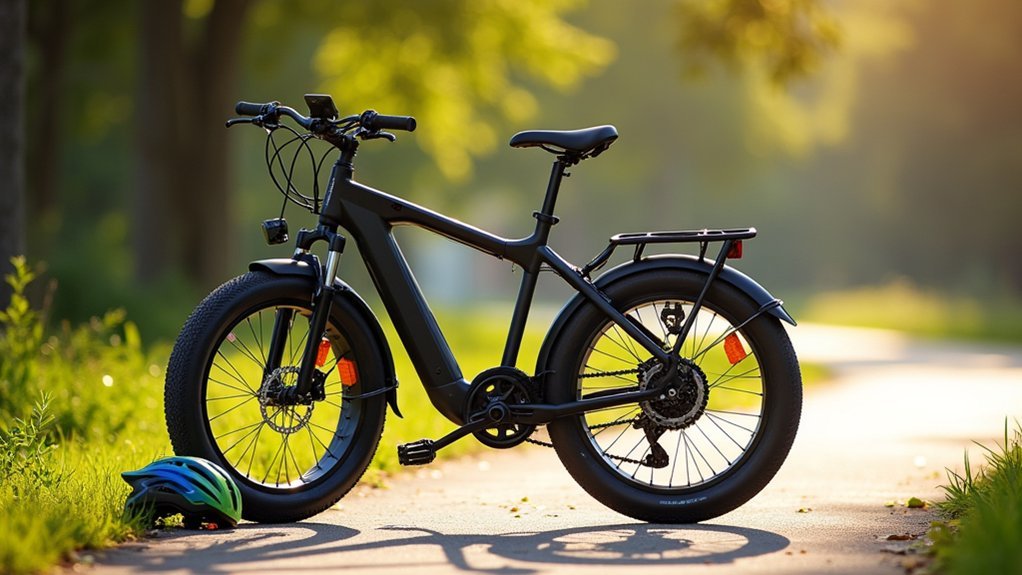
When choosing a bike for mobility challenges, you’ll want a frame design that allows for easy mounting and dismounting, such as a low step-through model that minimizes the risk of falls.
Your safety depends on reliable components like high-quality disc or drum brakes that provide consistent stopping power, even in adverse conditions.
Don’t overlook the importance of a stable base—whether from a three-wheeled design or a lower center of gravity—as this directly impacts your confidence and security while riding.
Frame Design Matters
The foundation of any mobility-friendly bike lies in its frame design. When selecting a bike, prioritize low step-through frames with heights around 9 inches that allow you to mount and dismount with minimal effort. This design eliminates the challenging high bar found on traditional bikes, making cycling accessible despite mobility limitations.
Look for aluminum frames that offer the perfect balance of lightweight handling and structural integrity. You’ll find the combination particularly beneficial when managing an electric trike or other adaptive cycle.
Pay attention to the wheelbase width, especially in three-wheeled designs. A wider stance dramatically improves stability and reduces tipping risk.
Additionally, guarantee your bike features adjustable components like seats and handlebars that you can customize for your ideal riding position and maximum comfort.
Essential Safety Components
Five important safety features transform a standard bike into a mobility-friendly option that provides both confidence and protection for riders with physical challenges. When shopping for electric bikes, prioritize models with high-quality brakes—both v-brakes and drum brakes offer reliable stopping power on various terrains and inclines.
You’ll benefit from three-wheeled configurations that dramatically enhance stability and prevent tipping. Look for bikes with low step-through frames to make mounting and dismounting safer and less strenuous.
| Safety Feature | Benefit | Importance |
|---|---|---|
| Three-wheel design | Wider base, prevents tipping | Essential for balance issues |
| Low step-through frame | Easy mounting/dismounting | Important for limited mobility |
| High-quality brakes | Reliable stopping power | Critical for control and safety |
| Ergonomic handles | Proper posture and comfort | Prevents fatigue and strain |
| Integrated lights/reflectors | Enhanced visibility | Significant for traffic safety |
Customization Possibilities For Personalized Comfort
Countless customization options exist for riders with mobility challenges, transforming standard bikes into perfectly tailored mobility solutions.
When exploring adaptive bikes, you’ll find adjustable seat heights, ergonomic handlebars, and specialized frame designs that prioritize your comfort and accessibility needs.
You can request bespoke modifications like pendulum cranks for limited arm mobility or electronic groupsets to ease joint pain.
Electric bikes with low-step designs make mounting easier and can be further enhanced with supportive seating or stability features.
Don’t overlook accessories like foot fixation systems and personalized color schemes that combine functionality with style.
For expert guidance, connect with specialized adaptive cycling groups or local bike shops who’ll help customize your ride to match your specific mobility requirements, ensuring you’ll enjoy cycling with greater independence.
Accessibility Considerations For Mounting And Dismounting
Getting on and off your bike can present significant challenges for riders with mobility limitations, making step-through designs an essential consideration. These frames feature a low height of approximately 9 inches, eliminating the need to swing your leg high over a traditional crossbar.
Look for electric step-through bikes that offer adjustable seat heights to find your ideal position for both riding comfort and accessibility when mounting. The balanced weight distribution, particularly in models with central motors, provides greater stability during these changes.
For enhanced accessibility, consider bikes equipped with wide handlebars and ergonomic grips. These features offer additional support points as you mount and dismount, improving your control and confidence.
These thoughtful design elements can make cycling accessible even if you’re recovering from surgery or managing ongoing mobility challenges.
Building Confidence Through Progressive Adaptive Cycling
Building confidence while managing mobility challenges requires a gradual approach that celebrates small victories along the way. Research shows 33% of people with disabilities are interested in cycling, but many need a comfortable entry point.
| Cycling Stage | Adaptive Bike Type | Confidence Builder |
|---|---|---|
| Beginning | Stable tricycles | Eliminates balance concerns |
| Intermediate | Low step-through e-bikes | Reduces physical strain |
| Advanced | Handcycles | Tackles varied terrains |
Starting with more stable adaptive bikes allows you to build skills at your own pace. Consider joining local cycling groups that support riders with mobility challenges—community engagement provides encouragement as you progress. Organizations like Wheels for Wellbeing can connect you with tailored solutions that match your specific needs, helping you extend your riding distances while maintaining comfort and independence.
Frequently Asked Questions
What Is the Bike for People Who Cant Use Their Legs?
If you can’t use your legs, you’ll want a handcycle. They’re designed for arm-powered pedaling and come as standalone units or wheelchair attachments. Many include electric assistance for easier riding on various terrains.
What Bike Is Good for People Who Can’t Balance?
If you can’t balance, tricycles are your best option. You’ll benefit from their three-wheel design providing exceptional stability. Adult trikes offer comfortable seating and won’t tip over when you stop or ride slowly.
Will Insurance Pay for an Adaptive Bike?
Insurance coverage for adaptive bikes varies widely. Your provider may pay partially if it’s medically necessary and prescribed by a healthcare professional. Check with your insurer and explore non-profit grants as alternative funding sources.
What Is the Best Exercise Bike for Seniors?
For seniors, you’ll find recumbent exercise bikes are best. They offer supportive seating, low-impact workouts, and stability. Look for models with easy-to-read displays, adjustable resistance, and comfortable ergonomic features for joint protection.
In Summary
You’re not limited by mobility challenges when it comes to cycling. With the right adaptive bike, you’ll discover newfound freedom and independence. Remember to prioritize designs that address your specific needs, consider electric assistance where helpful, and don’t hesitate to customize for comfort. Start gradually, build confidence, and soon you’ll enjoy all the physical and emotional benefits that cycling offers everyone.