

Sailing offers you a unique freedom that transcends physical limitations. With specialized joystick controls and adaptive equipment, you’ll experience independence on water that may elude you on land. Modern vessels accommodate various disabilities through innovative sling systems and stability chairs. Programs like Sailors Unlimited provide affordable access starting at just $5. Beyond physical freedom, you’ll discover mental well-being and community support. The open water awaits with possibilities you never thought possible.
Specialized Equipment Enabling Independent Control for Quadriplegic Sailors
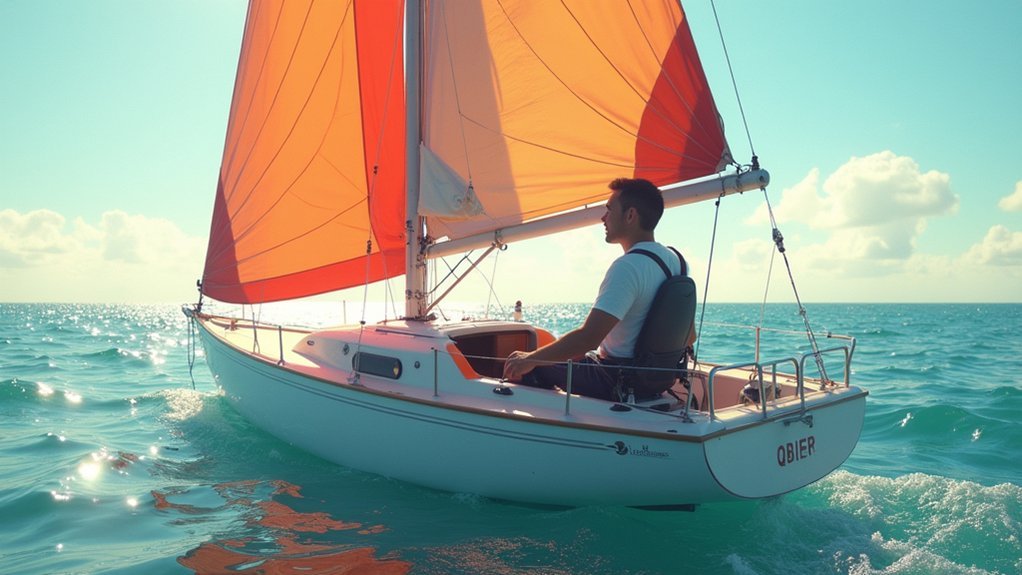
While many might assume sailing requires full physical mobility, innovative adaptive equipment now enables quadriplegic sailors to navigate independently on the water.
The centerpiece of this adaptive sailing technology is a specialized joystick that provides rudder control despite limited arm movement. You’ll maintain complete navigational authority while your crew manages the sails.
The custom-designed chair keeps you upright regardless of the boat’s angle or motion, ensuring stability throughout your journey. This security allows you to focus on steering rather than struggling to maintain position.
For disabled people concerned about boarding, the Boundless sailboat features an innovative sling system that safely transfers you into and out of the vessel.
The Sailors Unlimited program makes these experiences financially accessible through sliding scale fees, removing barriers to your maritime adventures.
Adaptive Sailing Programs: Finding Your Perfect Maritime Match
Equipped with the right adaptive technology, you’re ready to find sailing programs that match your specific needs and aspirations. Numerous organizations nationwide welcome disabled sailors with open arms, providing specially designed vessels like the Artemis 20 and Skud 18 that emphasize stability and accessibility.
- Sailors Unlimited and The Impossible Dream offer inclusive experiences with trained staff to support your maritime adventure.
- Most programs operate on sliding fee scales or provide free sessions, making sailing financially accessible regardless of your economic situation.
- Arizona Adaptive Water Sports and Duxbury Bay Maritime School feature tailored events with accessible boats for various physical limitations.
These adaptive sailing programs foster community while ensuring you can safely navigate the waters. With specialized equipment and supportive environments, you’ll discover the freedom of sailing regardless of mobility challenges.
From Land to Sea: Transitioning Challenges and Triumphs
Changing from land-based living to the open water presents unique challenges for sailors with physical disabilities, yet the triumphs far outweigh the initial hurdles.
You’ll discover programs like Sailors Unlimited create supportive communities that make this change smoother, fostering camaraderie among disabled sailors while building confidence.
The journey from wheelchair to sailboat becomes accessible through innovations like joystick controls and supportive slings.
Consider Fred Hess and Bob Montague, who reclaimed their sailing passion despite significant physical limitations. Their stories demonstrate that sailing isn’t just about navigation—it’s about reclaiming independence.
With financial accessibility starting at just $5 on sliding scales, you won’t face economic barriers.
The Artemis 20 and Impossible Dream showcase how modern boat designs are specifically crafted to help you conquer the shift from shore to sea.
The Psychological Benefits of Reclaiming Nautical Freedom
Beyond the physical freedom that sailing provides, the psychological liberation experienced on open water creates profound healing effects for those with limb differences.
When you join a disabled Sailing Club like Sailors Unlimited, you’re not just learning a new skill—you’re reclaiming control in a world that often limits your autonomy.
- Sailing naturally combats depression and anxiety—participants like Fred Hess report dramatic improvements in mental well-being once they feel the tiller in their hands.
- You’ll experience increased self-esteem and positive self-image as you master sailing techniques alongside a supportive community.
- The unique combination of natural elements and teamwork creates a therapeutic escape from daily challenges, fostering resilience and emotional strength.
The water doesn’t judge your abilities—it simply responds to your commands.
Breaking Barriers: How Modern Technology Transforms Sailing Accessibility
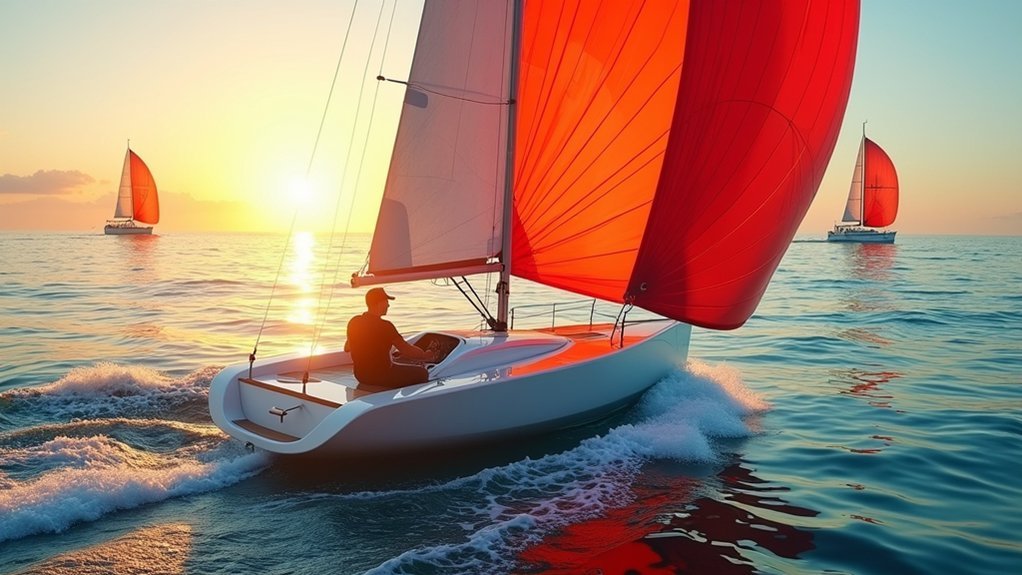
While traditional sailing once presented insurmountable challenges for people with limb differences, revolutionary adaptive technologies have dramatically transformed accessibility on the water.
You’ll find joystick-controlled steering systems that let you navigate effectively despite limited mobility, opening up nautical freedom previously unimaginable.
The Boundless sailboat exemplifies this progress, featuring transfer slings and specialized stability chairs designed specifically for people with physical disabilities.
You don’t need to worry about financial barriers either—organizations like the United Cerebral Palsy Association’s Sailors Unlimited program guarantee affordable access to these adaptive vessels.
This technological revolution fosters meaningful teamwork between able-bodied crew and disabled sailors.
Projects like the Impossible Dream catamaran prove sailing can accommodate virtually any disability, creating communities where everyone contributes to the sailing experience regardless of physical limitations.
Frequently Asked Questions
What Is the Most Powerful Point of Sail?
The most powerful point of sail is close-hauled. You’ll achieve maximum speed when you’re sailing at 30-45 degrees to the wind with tightly trimmed sails. It’s your best position for upwind maneuverability and efficiency.
How to Get Into Sailing Without a Boat?
You can get into sailing without a boat by joining sailing clubs, enrolling in community programs, participating in adaptive sailing classes, volunteering as crew, attending sailing schools, or signing up for rentals at local marinas.
In Summary
You’re not defined by your physical limitations. Through adaptive sailing, you’ve discovered a path to independence that many thought impossible. The open water has become your equalizer—a place where technology, determination, and community converge to break barriers. Whenever you feel confined by land, remember: the sea doesn’t require limbs to master it, only courage to embrace its freedom.


Leave a Reply