

Special interests in autism greatly boost physical engagement by activating reward pathways in the brain. When you connect movement to your passions, exercise transforms from an obligation into a meaningful, motivating activity. This neurological connection helps bypass mental barriers associated with traditional exercise, making physical activities feel purposeful and enjoyable. Your special interests naturally enhance motivation for movement-based activities, creating sustainable engagement that improves both physical health and emotional wellbeing. Discover how your unique interests can become powerful catalysts for physical transformation.
The Science Behind Special Interests and Physical Movement
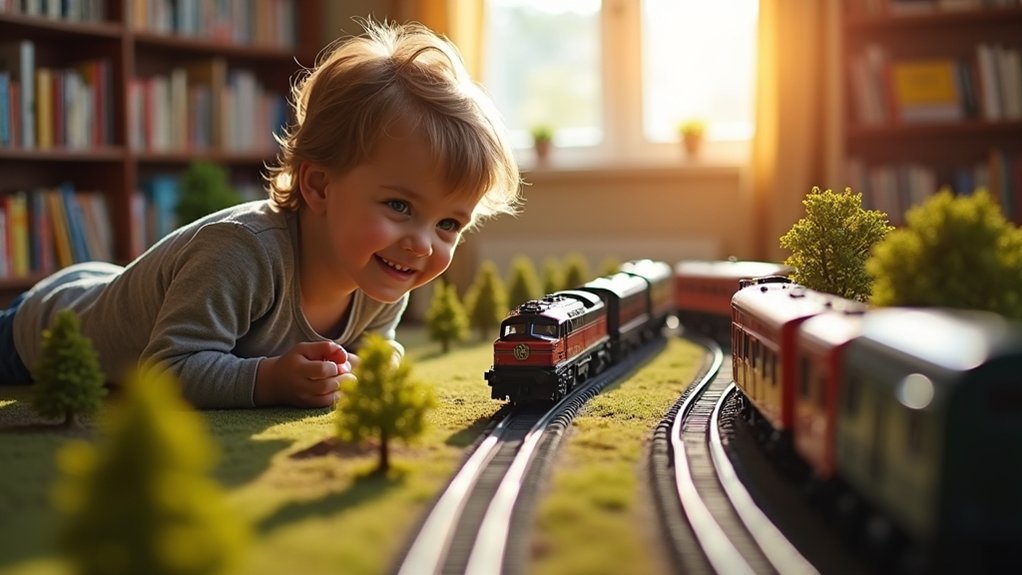
While researchers have long acknowledged the cognitive benefits of special interests in autistic individuals, their connection to physical movement offers equally compelling insights.
Your intense focus on preferred topics naturally translates into increased physical engagement when those interests involve movement-based activities. The neurological rewards you experience when pursuing special interests activate motivation pathways that overcome typical barriers to physical activity.
When you pursue movement through your special interests, motivation flows naturally, bypassing the mental barriers typically associated with exercise.
Whether you’re a nature enthusiast hiking through forests or an engineering enthusiast building robots, you’re developing motor skills without the traditional exercise framework. Your emotional connection to these activities makes movement feel purposeful rather than obligatory.
Additionally, special interests provide natural contexts for stimming behaviors, channeling them into productive physical expression. This integration of passion and movement creates a sustainable approach to well-being that works with your autistic neurology rather than against it.
From Passion to Motion: How Special Interests Motivate Activity
Special interests serve as powerful catalysts for physical activity in autistic individuals, transforming what might otherwise feel like mundane exercise into meaningful engagement. When you connect physical activities to an autistic person’s special interests, you’ll likely see increased motivation and participation, leading to improved health and well-being.
| Special Interest | Physical Engagement | Benefits |
|---|---|---|
| Space/Astronomy | Hiking to stargaze | Cardiovascular fitness |
| Animals | Zoo volunteering | Social opportunities |
| Trains | Station walks | Structured routine |
| Video games | Dance games/VR | Coordination skills |
| Music | Instrument playing | Fine motor development |
These interest-driven activities provide therapeutic value in natural settings. By recognizing how special interests fuel motivation, you can help autistic individuals develop skills through physical engagement while creating enjoyable experiences that support their overall health.
Special Interest-Based Physical Activities for Autistic Individuals
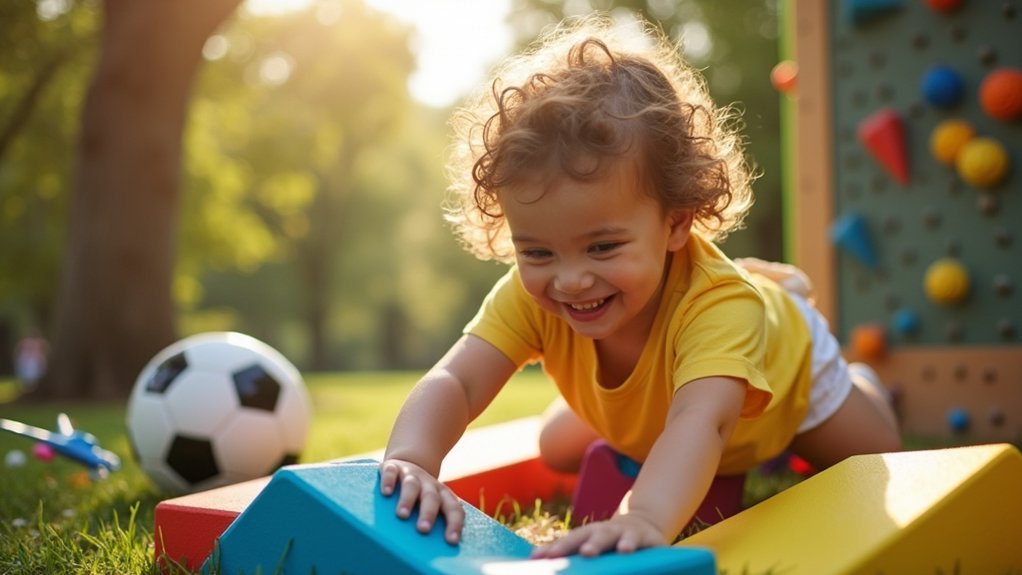
Creating physical activities that align with an autistic person’s special interests transforms exercise from a potentially stressful obligation into an enthusiastically anticipated event.
You’ll find that special interest-focused options like martial arts, dance, or hiking can dramatically enhance motivation and sustained engagement.
For autistic individuals who enjoy specific themes, try team sports that incorporate their interests—perhaps a science-themed running club or a gaming-inspired obstacle course.
These structured activities not only improve physical fitness but also develop essential social skills through shared passions.
Consider how outdoor activities can connect with interests in geology, wildlife, or photography while providing physical movement.
Even competitive events like robotics tournaments offer physical engagement opportunities.
When exercise becomes an extension of passion, you’re building a sense of belonging and competence simultaneously.
Creating Supportive Environments for Interest-Driven Movement
Supportive environments serve as the foundation for successful interest-driven movement experiences among autistic individuals. When you align physical activities with special interests, you’ll notice increased motivation and sustained engagement.
| Environmental Factor | Benefit to Physical Engagement |
|---|---|
| Special interest integration | Enhances motivation and participation |
| Structured routines | Provides predictability and reduces anxiety |
| Community programs | Fosters social connections through shared interests |
| Accessible resources | Facilitates skill development opportunities |
| Themed activities | Creates meaningful context for movement |
Creating these supportive environments isn’t complicated—it simply requires thoughtful consideration of the autistic person’s interests. Structured routines incorporating favorite themes can transform reluctant participation into enthusiastic engagement. Community programs that celebrate special interests while promoting an active lifestyle offer dual benefits: physical development and meaningful social connections that respect individual preferences.
Long-Term Benefits of Physical Engagement Through Special Interests

When autistic individuals participate in physical activities aligned with their special interests, the benefits extend far beyond immediate enjoyment.
You’ll notice improved motor skills and physical fitness that contribute to better overall health outcomes over time.
The long-term benefits include enhanced social interaction opportunities as you connect with others who share your interests, fostering a sense of belonging.
Regular physical engagement serves as an effective stress reduction technique, helping you manage anxiety while improving mental health and well-being.
As you continue pursuing physically engaging special interests, you’ll develop discipline and routines that transfer to other life areas.
Perhaps most notably, you’ll experience increased confidence and self-esteem that positively impact all your interactions.
These combined advantages create a foundation for lifelong physical and emotional growth.
Frequently Asked Questions
Why Are Special Interests Important for Autism?
Your special interests provide purpose, reduce anxiety, and build confidence. They’re essential for emotional regulation, skill development, and creating social connections. They serve as therapeutic tools, enhancing your overall quality of life and well-being.
How Can Individuals With Autism Increase Physical Activity?
You can increase physical activity by incorporating your special interests into exercise. Try structured, routine-based activities that align with your passions, join interest-related groups, and create movement games connected to what you love.
Do People With Autism Like Physical Affection?
Your preference for physical affection varies if you’re autistic. You might enjoy hugs and touch, or find them overwhelming due to sensory differences. It’s best to respect each person’s individual comfort level.
Are People With Autism Physically Strong?
Your autism doesn’t determine your physical strength. Like everyone else, you’ll have your own baseline strength, which can improve if you’re engaged in physical activities, especially those aligned with your special interests.
In Summary
By embracing your special interests, you’re opening a natural pathway to physical engagement. When you combine your passions with movement, you’ll experience improved well-being that extends beyond the activity itself. Don’t underestimate how your focused enthusiasm can transform reluctance into excitement. Create environments that connect your interests with physical activity, and you’ll develop sustainable habits that benefit your body, mind, and autistic experience.

Leave a Reply