

DIY projects offer significant mental health benefits for people of all abilities. You’ll experience reduced stress, increased dopamine, and improved mindfulness while creating. Adaptive projects accommodate different energy levels and physical capabilities through pre-cut materials and manageable steps. Whether working alone or in community spaces, mindful crafting interrupts anxious thought patterns and provides a sense of accomplishment. The personalization of your living space through sustainable creations further enhances emotional wellbeing. Discover how simple crafting transforms both your environment and mental state.
The Science Behind Creativity and Mental Wellness
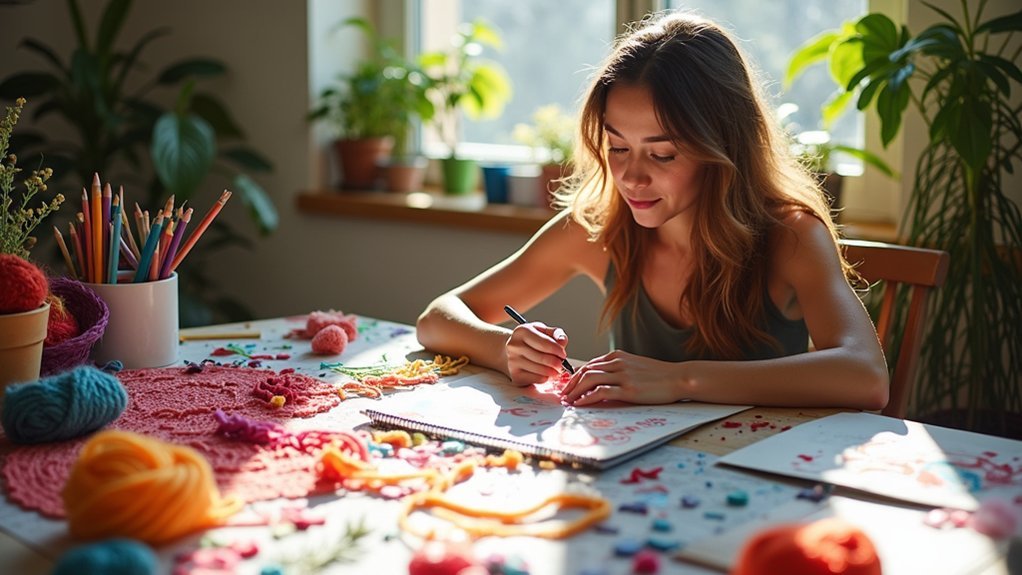
While many people turn to DIY projects simply for the joy of creation, science reveals these activities offer profound benefits for your mental health.
When you engage in creative pursuits, your brain releases dopamine, a natural mood enhancer that can greatly boost your mood and create feelings of satisfaction.
Research shows that DIY projects reduce stress by lowering cortisol levels in your body. As you focus on hands-on tasks, you’re practicing a form of mindfulness that keeps you present and helps alleviate anxiety and depression symptoms.
Mindful creating isn’t just fun—it’s medicine for your mind, lowering stress hormones while keeping you anchored in the present moment.
Beyond emotional benefits, these activities deliver cognitive benefits too. The problem-solving required in creative work strengthens your brain’s resilience and adaptability.
Studies confirm that regular creative expression improves overall mental wellbeing and can reduce feelings of isolation.
Adaptive DIY Projects for All Abilities and Energy Levels
The benefits of creativity extend to everyone, regardless of physical abilities or energy reserves. Adaptive DIY projects embrace inclusivity by incorporating modifications like ergonomic tools and simplified tasks that accommodate various needs while preserving the joy of making.
Consider your energy levels when crafting—break projects into short, manageable segments you can complete at your own pace. Pre-cut materials and kits reduce dexterity challenges, making creative activities accessible even on difficult days.
Don’t overlook the power of sensory elements in your projects. Textured materials and calming colors can enhance therapeutic benefits, especially for those with sensory sensitivities.
For additional support, join group workshops that foster social connections while providing collaborative opportunities in a supportive environment designed for crafters of all abilities.
Creating With Purpose: How Mindful Crafting Reduces Anxiety
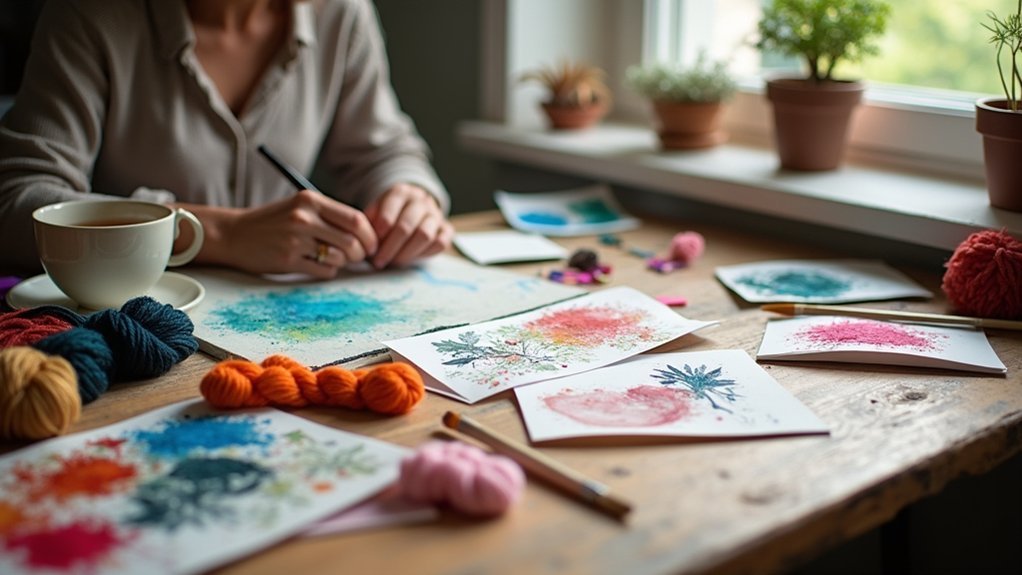
Mindful crafting transforms ordinary creative activities into powerful anxiety-reducing practices by engaging your full attention in the present moment. When you focus on creating something with your hands, your mind naturally shifts away from worry, helping reduce anxiety and lower your stress levels.
The mental health benefits of creative expression extend beyond the activity itself:
Creative expression delivers mental health benefits that continue working long after you’ve put your crafting supplies away.
- Immediate relief – The focused attention required for mindful crafting interrupts anxious thought patterns.
- Tangible results – Completing projects provides a sense of accomplishment that can boost mental resilience.
- Emotional processing – Your creations become physical manifestations of feelings that might otherwise intensify anxiety.
You’re not just making something beautiful—you’re actively rewiring your brain’s response to stress through purposeful creation.
Building Community Through Inclusive Making Spaces
Creating spaces where everyone feels welcome requires thoughtful attention to accessible design principles that accommodate diverse abilities and needs.
You’ll find that eliminating physical barriers, providing adjustable workstations, and offering alternative tools can transform a standard workshop into an inclusive environment where creativity flourishes regardless of limitations.
When you establish clear signage, organize materials at various heights, and create flexible seating arrangements, you’re not just building a making space—you’re cultivating a community where mental wellness thrives through shared creative experiences.
Accessible Design Principles
When designing spaces for creative expression, accessibility becomes not just a feature but a foundation for true community building. Accessible design enhances mental wellness by guaranteeing everyone can participate fully in creative activities, regardless of ability.
To create truly inclusive making spaces, consider these essential elements:
- Adaptable workstations – Install height-adjustable tables and ergonomic seating that accommodate diverse bodies and mobility needs.
- Thoughtful organization – Place tools and materials within easy reach, using clear labeling and logical arrangements.
- Supportive environment – Guarantee proper lighting, reduce noise when possible, and create quiet zones for those with sensory sensitivities.
Creating Welcoming Atmosphere
Beyond the physical aspects of accessibility lies the equally important social dimension of inclusive making spaces. When you establish a welcoming environment, you’re not just providing tools—you’re nurturing community connections that combat isolation and boost mental health.
Make your space inclusive by offering projects suitable for various skill levels and abilities. You’ll empower everyone to engage in self-expression through creativity, regardless of their experience. Consider incorporating adaptive equipment and diverse materials that accommodate different strengths and preferences.
Facilitate social interactions through collaborative workshops where participants can share ideas and techniques. These connections often prove as valuable as the projects themselves, creating a supportive network where everyone belongs.
Remember that an inclusive making space isn’t just about what you create—it’s about the community you build together.
Sensory-Friendly Projects for Emotional Regulation
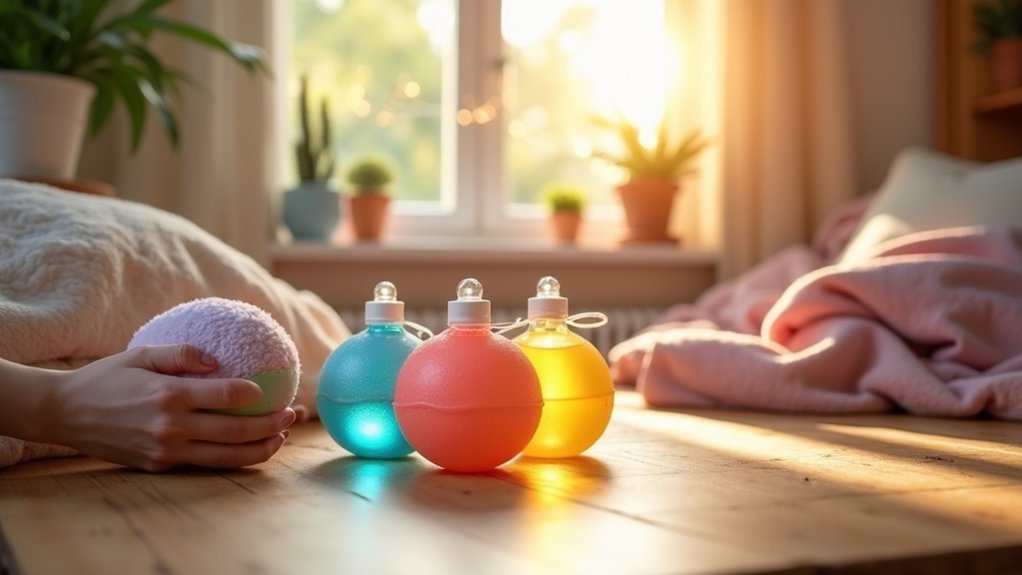
Calming jars filled with glitter and colorful objects can provide immediate visual focus during emotional distress, helping you redirect anxious energy into peaceful observation.
You’ll find weighted companions, like homemade stuffed animals with rice or poly-pellet filling, offer deep pressure stimulation that naturally reduces stress hormones and promotes feelings of security.
These tactile tools work effectively as portable emotional regulation aids you can create at home with simple materials and customize to your specific sensory preferences.
Calming Jars
If you’re searching for a therapeutic craft that doubles as a powerful emotional regulation tool, sensory calming jars offer an accessible solution.
These glitter-filled vessels provide visual stimulation that grounds you in the present moment, triggering dopamine release that enhances mood and promotes relaxation during periods of stress or anxiety.
Creating your own calming jar transforms mental wellness into a hands-on DIY project that fosters creativity and accomplishment.
Best of all, you can personalize these sensory activities to reflect your unique preferences and style.
- Fill a clear container with water and add glitter, beads, or food coloring
- Seal tightly with strong adhesive to prevent leaks
- When feeling overwhelmed, shake the jar and focus on the swirling contents until calm returns
Weighted Companions
Three powerful DIY weighted companions can transform your emotional regulation practice through deep pressure stimulation.
Create a customized lap pad with cotton fabric, rice, and dried lavender for instant calm during anxious moments. For better sleep, sew a plush weighted toy using polyfill and plastic pellets that provides comforting pressure while releasing soothing scents.
These sensory-friendly projects not only reduce stress but also improve sleep quality through consistent deep pressure therapy.
By crafting your own weighted companions, you’ll customize the weight and materials to match your exact sensory needs. The act of creating these tools becomes therapeutic itself, fostering creativity while building resources for mental wellness.
Plus, adding calming scents like chamomile enhances the soothing effects, making your DIY weighted companion even more effective for emotional regulation.
Transforming Everyday Objects: Low-Cost DIY for Wellbeing
While many wellness trends require expensive materials or specialized skills, transforming everyday objects into meaningful creations offers an accessible path to better mental health.
The creative process involved in these projects can greatly boost your mental clarity and provide a sense of accomplishment that elevates mood.
You don’t need to be a DIY enthusiast to experience benefits. Consider these simple transformations:
- Convert glass jars into decorative vases or storage containers
- Create wall art from reclaimed materials to personalize your space
- Repurpose old furniture with fresh paint or new hardware
These activities promote mindfulness while reducing waste, contributing to overall mental wellbeing through both the creative journey and the satisfaction of sustainable living.
Your living space becomes a reflection of your personality while supporting your psychological health.
Frequently Asked Questions
What Are Some Mental Health Projects?
You can try art journaling to express emotions, creating mala beads for mindfulness, making natural skincare products, crafting dream collage journals for visualization, and upcycling old items to boost creativity and well-being.
What Are Some Mental Health Wellness Activities?
You can try journaling, meditation, nature walks, mindfulness exercises, yoga, deep breathing, gratitude practices, creative arts, regular exercise, social connections, and therapy. These activities help manage stress and improve your emotional well-being.
What Are the Crafts for Mental Health Patients?
You’ll find knitting, crocheting, art journaling, DIY self-care products, and gardening beneficial for mental health. These crafts reduce anxiety, promote self-reflection, boost self-esteem, encourage mindfulness, and foster social connections through collaborative activities.
What Are Creative Projects for Depression?
You’ll find relief through painting, journaling, knitting, or gardening. These creative outlets release dopamine, promote mindfulness, and boost your self-esteem. Try photography, collaging, pottery, or even writing music to express difficult emotions.
In Summary
When you craft with intention, you’re not just creating something new—you’re rebuilding yourself. Whether you’ve painted a masterpiece or simply arranged pebbles in a jar, you’ve engaged in healing. Remember, DIY isn’t about perfection or ability; it’s about finding what works for your unique mind and body. Your hands have power. Your creativity matters. Your wellness journey deserves this space.


Leave a Reply