

Switch-based communication systems transform adaptive sports by enabling athletes with disabilities to participate strategically in team activities. You’ll find various options including mechanical switches like Buddy Button, light-touch switches, and wireless systems like Jelly Beamer that allow communication from anywhere on the field. These devices feature responsive activation surfaces, sensory feedback, and weather-resistant designs for outdoor use. Coaches can be trained on proper implementation, creating inclusive environments where all athletes contribute to team strategy regardless of physical abilities.
Understanding Switch-Based Communication in Team Sports

While traditional sports rely heavily on verbal cues and physical signals, adaptive sports have revolutionized team communication through switch-based systems.
These innovative devices allow athletes with disabilities to effectively convey messages to teammates and coaches with minimal physical effort.
Switch-based systems empower disabled athletes to communicate effortlessly with teams, enhancing strategic participation in adaptive sports.
Switch devices like the Buddy Button or Jelly Bean can be programmed to transmit specific commands or plays, enabling full participation in strategic team activities.
The wireless capability of devices such as the Jelly Beamer removes physical constraints, letting athletes communicate from anywhere on the playing field.
What makes these systems particularly effective is their incorporation of visual or auditory feedback mechanisms, confirming that messages have been both sent and received during fast-paced gameplay.
Essential Features of Adaptive Communication Switches
The cornerstone of effective participation in adaptive sports lies in well-designed communication switches that address unique athlete needs.
When selecting adaptive communication switches, you’ll want to prioritize devices with large, responsive activation surfaces that provide sensory feedback through light, vibration, or sound.
Wireless options like the Jelly Beamer Twist Transmitter enable you to communicate freely while moving throughout the playing area.
For visually impaired athletes, switches with tactile and auditory cues prove invaluable for operation during fast-paced activities.
Look for assistive technology that’s compatible with multiple communication devices and applications, ensuring seamless interaction among team members.
These features collectively create an inclusive environment where athletes with motor limitations can fully engage in team sports, making communication barriers a thing of the past.
Types of Switches for Different Physical Abilities
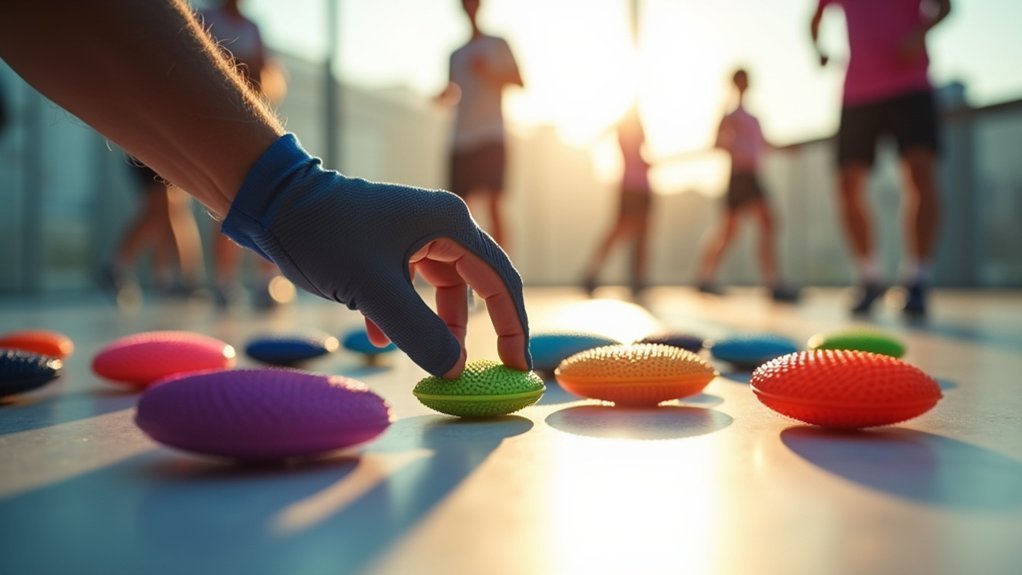
How can athletes with diverse physical abilities effectively participate in team sports? The answer lies in selecting the right communication switch technology tailored to individual capabilities.
Inclusive athletics starts with adaptive technology that connects players with teams regardless of physical abilities
For athletes with moderate physical strength, mechanical switches like Jelly Bean and Buddy Button offer reliable options that activate through direct pressure. You’ll find these sturdy devices enable consistent communication during active play.
If you have limited movement, light touch switches provide accessibility without requiring significant force, allowing you to stay connected with teammates even with minimal strength.
Athletes with severe physical limitations can utilize Sip and Puff systems, controlling devices through breath, while wireless options like the AbleNet Jelly Beamer let you communicate from various positions on the field.
For more precise control, EMG switches respond to your specific muscle signals.
Wireless Technology for Seamless Team Coordination
Selecting the right switch is only part of the equation—how these devices connect creates the foundation for true teamwork. Wireless technology revolutionizes adaptive sports by eliminating physical barriers and enabling effortless communication across distances.
You’ll find Bluetooth-enabled options like the Blue2 Bluetooth Switch particularly valuable for real-time team coordination without restrictive cables. These systems support customizable configurations that accommodate various abilities within your team.
| Device | Range | Key Benefit |
|---|---|---|
| Jelly Beamer Twist | 30+ feet | Multi-user configuration |
| Blue2 Bluetooth | 10 meters | Device integration |
| Wireless Adapters | Variable | Converts existing switches |
Customizing Switch Systems for Specific Sports Requirements
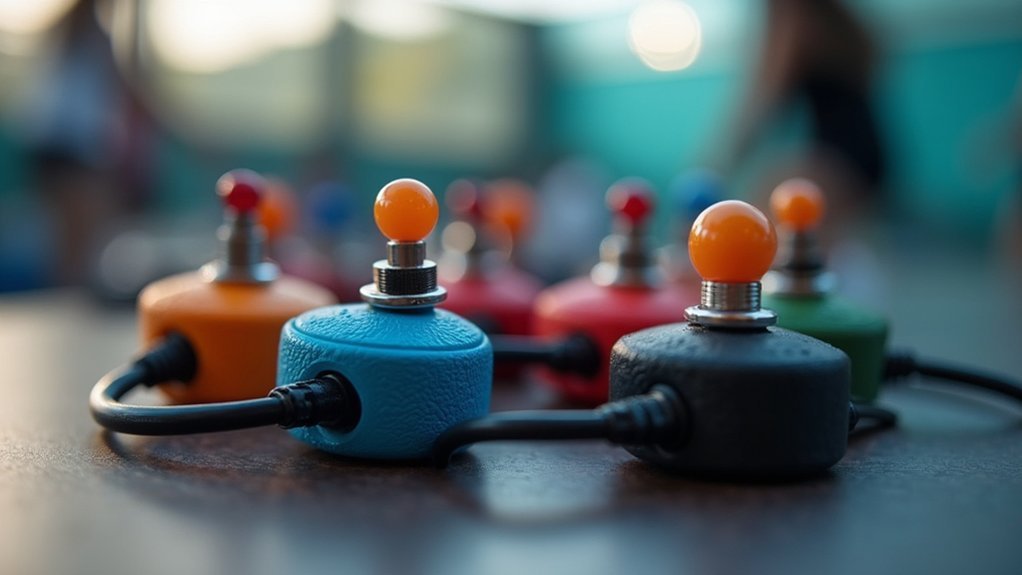
When developing effective communication systems for athletes, customizing switch technologies to meet sport-specific demands becomes essential for maximizing participation and performance.
You’ll need to select switches that match your athletes’ motor abilities—light touch switches for those with limited strength or sip-and-puff systems for more severe impairments.
Consider our Switch Special Offer packages that include wireless options, enabling athletes to activate devices from a distance during team activities.
Choose between momentary switches for timing functions and latching switches for controlling equipment power. Various accessories like adjustable mounts guarantee ideal positioning for each athlete’s unique needs.
Thoughtful customization allows team members to signal plays or request assistance with minimal movement, fostering inclusive participation and effective teamwork regardless of physical limitations.
Implementing Switch Communication in Strategy Development
You’ll find that switch communication systems enable rapid tactical adjustments during play, allowing your team to pivot strategies without verbal cues.
These systems can incorporate cross-disability signals that work for athletes with diverse abilities, ensuring everyone participates in strategic decision-making regardless of communication barriers.
When properly implemented, real-time strategy coordination through switches empowers your athletes to make split-second collaborative decisions that can determine the outcome of competitive matches.
Quick Tactical Adaptations
Because split-second decisions often determine the outcome of competitive play, implementing switch communication systems revolutionizes how adaptive sports teams develop and execute strategies.
You’ll find that athletes can instantly signal tactical changes without physical gestures or verbal communication, keeping opponents guessing.
These systems enable real-time strategies through:
- Light-touch switches for immediate play calling
- Sip and puff mechanisms for signaling defensive adjustments
- Programmable buttons that transmit pre-planned formations
- Sequential switch patterns for complex tactical sequences
Cross-Disability Signal Systems
While different disabilities present unique communication challenges in team sports, cross-disability signal systems bridge these gaps through versatile switch technology that accommodates all team members.
You’ll find these systems incorporate visual, auditory, and tactile feedback mechanisms, eliminating reliance on verbal communication alone.
By implementing adaptive switches into your team’s strategy development, you’re enabling real-time interaction that enhances teamwork regardless of individual abilities. Your athletes can signal plays and tactical adjustments during competitions through accessible methods tailored to their specific needs.
Team communication flourishes when everyone participates equally. Training your team to use these signal systems empowers athletes and coaches alike, creating a more dynamic sporting environment.
The result? Improved performance, clearer tactical execution, and a genuinely inclusive approach that strengthens collaboration among players with diverse abilities.
Real-Time Strategy Coordination
When competitive moments demand split-second decisions, adaptive communication switches transform strategy implementation for athletes with diverse abilities. Each switch provides unique advantages in real-time strategy development, letting you control the game with precision despite physical limitations.
Wireless technology enables your team to coordinate tactics across distances, maintaining communication without physical proximity. During training, you’ll find these tools invaluable for practicing strategic adjustments before competitive play.
For maximizing your team’s strategic potential:
- Use Sip and Puff switches for quick binary decisions during fast-paced moments.
- Implement Buddy Buttons for clearly communicating specific plays.
- Integrate Blue2 Bluetooth connectivity for instant feedback through mobile apps.
- Establish wireless switch networks to maintain formation and positioning communication.
Mounting Options for Accessible Equipment Placement
You’ll find a variety of adjustable surface options including brackets, clamps, and multi-angle arms that can secure communication switches at ideal angles for your specific needs.
For quick setup during adaptive sports activities, consider non-permanent mounts like Velcro straps that attach switches to wheelchairs or equipment without tools or permanent modifications.
Magnetic mounts and gooseneck fixtures offer additional flexibility, allowing you to easily reposition switches as your activity or positioning requirements change throughout practice or competition.
Adjustable Surface Options
For athletes with disabilities to participate effectively in adaptive sports, the mounting system for communication switches must provide both stability and flexibility.
Adjustable surfaces offer customizable height and angle settings that accommodate your specific physical needs and preferences, enabling you to control your equipment comfortably.
When selecting mounting options for your communication devices, consider these key features:
- Quick-adjustment mechanisms that promote independent use
- Secure attachment hardware (clamps, brackets, and straps) compatible with your mobility device
- Height variability to accommodate different positions during active play
- Angle customization for ideal visibility and access
These adjustable surfaces integrate seamlessly with specialized adaptive equipment like angle switches, enhancing your ability to participate fully in team sports while maintaining effective communication with teammates and coaches.
Non-Permanent Quick Mounts
Athletes who require adaptive communication systems can benefit tremendously from non-permanent quick mounts, which offer versatile attachment solutions without damaging equipment or surfaces.
You’ll find these mounting options provide flexibility to position adaptive switches exactly where you need them during sporting activities.
With non-permanent quick mounts, you can easily install and remove your switches as needed, allowing for seamless shifts between different equipment or positions.
They’re designed to accommodate various types of adaptive switches, making them universally helpful across multiple sports contexts.
The adjustable angles featured in many quick mount systems guarantee you can customize the positioning to match your specific needs and preferences.
This adaptability empowers you to maintain independence and enhance your engagement in team sports through improved access to critical communication controls.
Durability and Weather Resistance for Outdoor Sports
When competing in outdoor adaptive sports, communication systems face relentless environmental challenges that can compromise performance. Your team switches must feature exceptional durability and weather-resistant properties to maintain reliable communication regardless of conditions.
Look for switches with:
- Sealed enclosures and water-resistant coatings to protect against rain and moisture
- Reinforced connectors and robust casings that withstand impact damage
- Shock-absorbing designs that prevent malfunction from drops or rough handling
- High-quality materials engineered specifically for outdoor use
Implementing regular maintenance checks will considerably extend your equipment’s lifespan.
Clean connectors, inspect seals, and test functionality after exposure to harsh conditions.
With properly designed weather-resistant switches, your adaptive sports team can maintain vital communication even when facing challenging outdoor environments.
Training Coaches and Staff on Switch Communication Systems
While weather-resistant equipment provides the hardware foundation, effective communication systems only reach their full potential when coaches and staff thoroughly understand how to use them.
You’ll need to familiarize your team with various adaptive switches, including mechanical, light touch, Sip and Puff, and Buddy Button options.
Organize hands-on training sessions where coaches can practice operating these devices and learn how to assess athletes’ individual needs.
You should demonstrate how switches enable athletes to interact independently with training equipment, boosting their autonomy and participation.
Remember to integrate visual and auditory feedback mechanisms into your communication systems.
When you tailor switch selection to each athlete’s physical capabilities and preferences, you’ll create an inclusive environment where all participants can effectively communicate during sporting activities.
Success Stories: Teams Transformed by Adaptive Communication
Throughout the adaptive sports community, remarkable transformations have unfolded as teams implement specialized communication switches.
You’ll find that adaptive communication switches have revolutionized team sports for athletes with disabilities, creating genuine inclusion through active participation.
These success stories highlight several key outcomes:
- Improved teamwork and coordination as athletes can now signal plays and express needs during competition.
- Significant increases in engagement and motivation among all team members.
- Enhanced social interaction and communication skills that extend beyond the playing field.
- Greater confidence and independence for athletes who previously struggled to communicate.
Coaches consistently report that these technologies don’t just change how teams communicate—they transform the entire dynamic, creating truly collaborative environments where every athlete contributes meaningfully to their team’s success.
Future Innovations in Switch Technology for Adaptive Sports
As engineers and developers push the boundaries of assistive technology, the next generation of communication switches promises to revolutionize adaptive sports entirely.
You’ll soon see lightweight wireless switches that enable control of devices from a distance, greatly enhancing mobility and participation opportunities.
Advanced sensors integrated into these switches will provide real-time performance feedback, allowing for personalized coaching and improved training outcomes.
Brain-computer interfaces represent perhaps the most groundbreaking advancement, potentially enabling control through neural signals alone.
The integration of machine learning algorithms will further personalize your experience, as switches adapt to your unique movements and preferences.
Smart technology integration is also on the horizon, facilitating seamless team communication during competitions, allowing you to coordinate strategies in real-time like never before.
Frequently Asked Questions
What Are Switches in AAC?
In AAC, switches are assistive devices you’ll use to control communication tools. They’re activated by your movements, touch, or breath, helping you select words or symbols when you can’t speak conventionally.
What Are Adaptive Switches?
Adaptive switches are devices you control with minimal movement that help you access technology if you have motor limitations. They’re customized to your abilities, allowing you to operate computers, wheelchairs, and communication systems independently.
What Disability Uses Switches?
You’ll find switches used by people with severe physical impairments like cerebral palsy, spinal cord injuries, muscular dystrophy, visual impairments, and cognitive disabilities. They’re essential for anyone with limited mobility to control devices independently.
What Are Switches in Speech Therapy?
In speech therapy, switches are assistive devices you’ll use to help express yourself if you have communication difficulties. You’ll press, touch, or activate them to produce speech output or control communication devices during your sessions.
In Summary
You’ve discovered a new world of possibilities through adaptive communication switches. By embracing these technologies, you’re breaking barriers and creating truly inclusive team environments. You’ll see improved coordination, stronger team bonds, and enhanced performance as players of all abilities contribute meaningfully. As switch technology continues to evolve, you’re positioning your team at the forefront of adaptive sports innovation—where everyone has a voice in the game.

Leave a Reply