

Therapeutic wilderness programs like BlueFire Wilderness, RedCliff Ascent, and Seven Stars offer ASD youth specialized outdoor experiences that build social skills, emotional regulation, and confidence. You’ll find personalized treatment plans featuring adventure therapy, equine interactions, and sensory integration activities in natural settings. Programs adopt a strength-based approach, celebrating your teen’s unique abilities rather than focusing on limitations. Family involvement guarantees skills transfer to home life, creating lasting positive outcomes beyond the wilderness experience.
Understanding the Benefits of Wilderness Therapy for ASD Youth
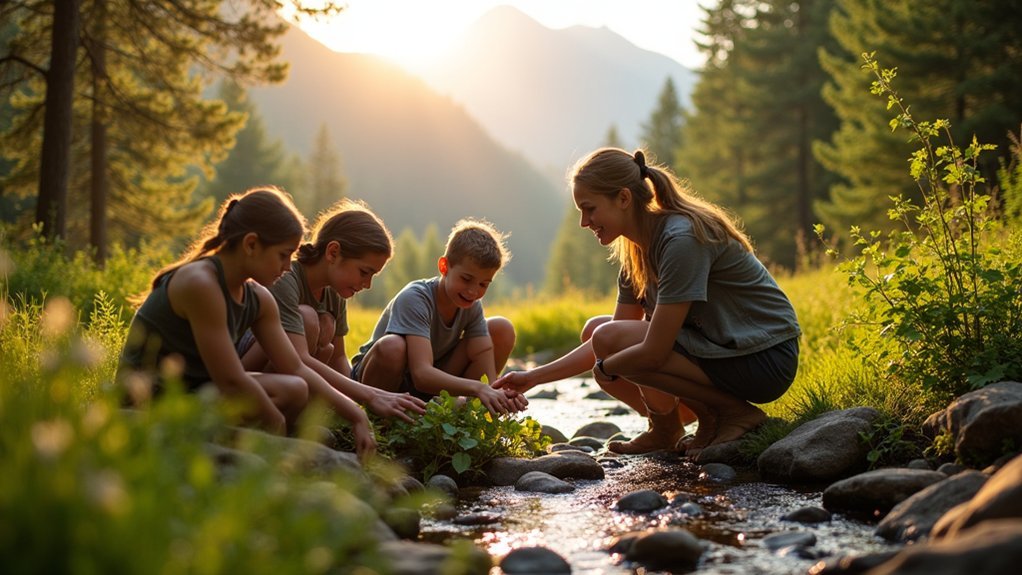
Why do natural environments hold such transformative potential for youth on the autism spectrum? Wilderness therapy creates a structured environment where teens with Autism Spectrum Disorder can unplug from everyday distractions and focus on self-discovery.
You’ll find these programs view participants through a strength-based lens, encouraging them to see their autism as part of their identity, not a limitation.
Through hands-on experiences in adventure therapy settings, your child develops essential emotional regulation and coping skills. The natural setting fosters personal growth by providing real-world challenges that build resilience.
Research shows these environments effectively create a sense of community among participants, addressing the social challenges often faced by ASD youth. The wilderness becomes a classroom where they can internalize strengths while learning to manage autism-related challenges.
RedCliff Ascent: Strength-Based Approach for Teens on the Spectrum
While many therapeutic programs focus on deficits, RedCliff Ascent stands apart with its dedicated strength-based approach for teens on the autism spectrum. They view Autism Spectrum Disorder not as a limitation but as a unique aspect of your child’s identity. By leveraging wilderness therapy, they help teens manage frustrations and build resilience away from daily distractions.
| Program Element | Benefit | Outcome |
|---|---|---|
| Wilderness Setting | Reduced Distractions | More Accurate Diagnosis |
| Strength-Based Lens | Focus on Abilities | Enhanced Self-Acceptance |
| Specialized Activities | Emotional Regulation | Improved Coping Skills |
| Supportive Environment | Social Engagement | Personal Growth |
This nurturing environment provides tailored support, helping teens not only accept their ASD but recognize how it contributes to their unique strengths—ultimately fostering both emotional regulation and social skills development.
BlueFire Wilderness: Adventure-Based Programming for ASD Challenges
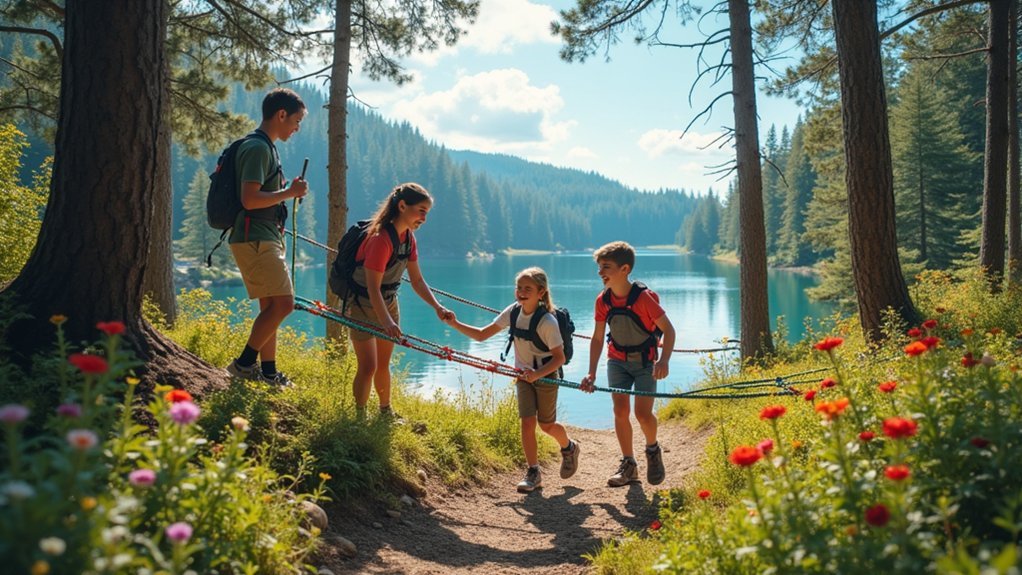
BlueFire Wilderness engages your ASD teen through sensory integration activities that help them process environmental stimuli in a natural setting.
Their individualized skill-building approach addresses your child’s specific ASD challenges while building on their unique strengths.
The program’s structured social interactions allow your teen to practice communication skills with peers in supportive adventure-based scenarios that mirror real-world situations.
Sensory Integration Activities
When exploring sensory integration activities, adventure-based programming stands out as a powerful therapeutic approach for youth with ASD. BlueFire Wilderness creates sensory-rich environments through hiking, rock climbing, and equine therapy that stimulate participants’ senses while promoting emotional regulation.
You’ll find that these structured wilderness settings minimize distractions, allowing your teen to focus on processing information and interacting with their surroundings. The hands-on experiences foster social skills development through guided peer interactions in a supportive environment.
What makes this approach effective is how it addresses sensory sensitivities common in Autism Spectrum Disorder. As your child engages in exploration and self-discovery, they’ll internalize strengths and develop coping strategies.
These carefully designed activities provide the perfect balance of challenge and support, helping teens build communication skills through meaningful adventure-based experiences.
Individualized Skill Building
Every aspect of BlueFire Wilderness’s programming begins with a thorough assessment of your teen’s unique ASD profile. This foundation enables staff to craft personalized treatment plans that address specific challenges through experiential learning in nature. Your child will develop essential social and emotional skills through targeted therapeutic activities.
| Skill Area | Activity | Benefit |
|---|---|---|
| Social Skills | Group challenges | Improved communication |
| Emotional Regulation | Meditation hikes | Stress management |
| Executive Function | Camp setup | Organization skills |
In the structured wilderness environment, distractions are minimized, allowing your teen to focus on skill-building exercises. They’ll engage in rock climbing and hiking that foster personal growth, resilience, and self-esteem. These hands-on experiences help internalize life skills they’ll carry beyond the program, equipping them with tools for long-term success.
Structured Social Interactions
Through carefully designed adventure activities, your teen will develop essential social skills that often present significant challenges for youth with ASD.
BlueFire Wilderness creates structured social interactions through experiential therapy, where participants engage in hands-on activities that foster teamwork and communication.
Your child will navigate social dynamics while rock climbing, hiking, and participating in other adventure-based programming specifically designed for Autism Spectrum Disorder challenges.
These peer interactions occur in a therapeutic setting that feels natural rather than forced, allowing your teen to practice social skills in a supportive environment.
As they overcome physical challenges together, participants build resilience and self-esteem while internalizing strengths.
This approach to personal growth transforms difficult social scenarios into valuable learning opportunities that translate to everyday life.
Seven Stars: Specialized Adventure Therapy for Autism Support
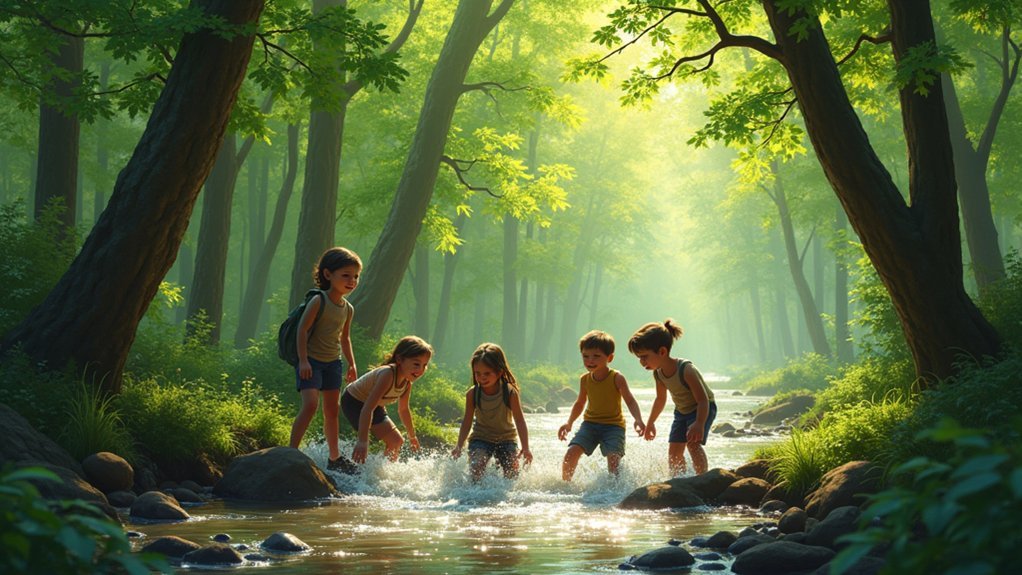
Seven Stars offers specially designed adventure therapy activities like kayaking and rock climbing that help your teen with autism build confidence while addressing core challenges.
You’ll find the program’s structured wilderness environment provides the perfect balance of predictability and therapeutic challenge for neurodevelopmental growth.
Their strength-based treatment approach focuses on what your child excels at rather than their deficits, fostering resilience and positive development in teens aged 13-18.
Adventure Therapy Benefits
Adventure therapy emerges as a powerful intervention for teens on the autism spectrum, particularly within the specialized framework of Seven Stars’ program for 13-18 year-olds.
Through activities like kayaking, rock climbing, and horseback riding, you’ll experience challenges that build confidence in a controlled environment.
The benefits extend beyond adventure—this experiential learning directly addresses mental health concerns including depression and anxiety while developing essential social skills.
You’ll discover your unique strengths as you participate in activities that push boundaries safely.
Seven Stars’ approach transforms personal challenges into opportunities for growth.
As you engage in these structured adventures, you’ll develop practical life skills that enhance your community involvement and academic performance.
This therapy doesn’t just support you through difficulties—it actively empowers you to recognize and leverage your distinct capabilities.
Structured Wilderness Environment
Nestled 30 miles north of Salt Lake City, Utah, the structured wilderness environment at Seven Stars provides you with a specialized therapeutic setting tailored specifically for teens aged 13-18 with autism spectrum disorder.
This intentional environment balances predictability with adventure therapy activities like rock climbing, kayaking, and horseback riding.
Unlike traditional approaches that focus on deficits, Seven Stars’ therapeutic wilderness program emphasizes your strengths while building resilience and promoting personal growth.
The structured daily routine combines academic support with social learning opportunities in a safe, consistent setting.
This integrated approach addresses mental health challenges like anxiety and depression while developing essential life skills.
You’ll experience a supportive community where every activity serves a therapeutic purpose, allowing you to navigate challenges and celebrate successes within a carefully designed wilderness environment that honors neurodiversity.
Strength-Based Treatment Approach
Strength discovery forms the core philosophy of the therapeutic approach at Seven Stars, where you’ll experience a program that celebrates your unique abilities rather than focusing on limitations.
This residential program, located just 30 miles north of Salt Lake City, creates a therapeutic environment specifically designed for youth with neurodevelopmental issues.
The strength-based approach incorporates:
- Adventure therapy activities like kayaking and rock climbing that push your boundaries safely while building self-esteem
- Comprehensive therapeutic support through individual therapy, family therapy, and group psychotherapy tailored to your specific needs
- Social learning opportunities that transform challenges into stepping stones for personal growth
You’ll find your mental health improving as anxiety decreases and confidence grows through engaging activities that highlight your capabilities rather than your challenges.
Nature-Immersive Techniques for Developing Social Communication Skills
The natural environment creates a unique framework for developing social communication skills in youth with Autism Spectrum Disorder. When you participate in wilderness therapy, you’ll engage in activities like hiking and rock climbing that naturally promote verbal and non-verbal interaction with peers.
These nature-immersive techniques reduce distractions that often overwhelm ASD teens, allowing you to focus on interpersonal skills in a structured environment.
Adventure-based learning helps you internalize social principles through hands-on experiences rather than abstract instruction. You’ll find opportunities for emotional expression and self-reflection while working through group challenges in supportive environments.
Learning by doing empowers ASD teens to master social skills through real-world challenges instead of classroom theory.
The collaborative nature of wilderness activities fosters a sense of community where you can practice communication without traditional social pressures, making these skills more transferable to everyday situations.
Equine Therapy Components in Wilderness Programs for ASD Youth
Building on the nature-based social experiences, equine therapy offers a unique dimension within wilderness programs for ASD youth. Through horse interactions, you’ll develop emotional awareness and interpersonal skills in ways that specifically address social communication challenges.
Horses provide immediate feedback on your emotional state, helping with self-regulation and frustration management.
The equine approach strengthens your therapeutic journey through:
- Trust building exercises that require clear communication with horses, translating to improved human relationships
- Personal reflection opportunities as you observe how horses respond to your behaviors and emotions
- Behavioral management practice in a supportive environment that demands patience and consistency
Research confirms equine therapy’s effectiveness for ASD youth, making it a valuable complement to traditional wilderness therapy programs.
Family Integration in Wilderness Treatment for Long-Term Success
While wilderness programs provide immersive therapeutic experiences for ASD youth, their lasting impact depends greatly on family integration throughout the treatment process.
Family involvement is structured through regular parent-therapist calls and family therapy sessions, establishing a collaborative approach to treatment. By implementing the Family Systems Process, these programs incorporate family dynamics into therapy, helping you understand and support your child’s unique challenges.
You’ll receive guidance to maximize learning outcomes and maintain benefits gained during wilderness experiences. Research confirms that engagement in therapeutic settings greatly enhances long-term success for youth with Autism Spectrum Disorder.
Your participation in planning for shifts back to home and school is essential, facilitating smoother reintegration and continued progress. This thorough family integration approach guarantees positive outcomes extend well beyond the wilderness experience itself.
Frequently Asked Questions
Does Insurance Pay for Wilderness Therapy?
Insurance may cover wilderness therapy if it’s deemed medically necessary. You’ll need to check your specific policy, as coverage varies widely. Contact your provider directly to verify your benefits for this treatment.
What Is the Age Limit for Wilderness Therapy?
Most wilderness therapy programs serve youth aged 10-18, though specific age limits vary by program. You’ll find some accept children as young as 11, while others extend services to young adults up to 28.
How Much Does a Wilderness Program Cost?
You’ll typically spend $2,000-$10,000 per month for wilderness therapy. Most programs require a $5,000-$10,000 initial deposit. Don’t forget to check if your insurance covers any portion of the treatment costs.
What Are the Examples of Wilderness Therapy?
Wilderness therapy includes hiking expeditions, survival skills training, equine therapy, rock climbing, and adventure-based counseling. You’ll find programs like RedCliff Ascent, BlueFire, Seven Stars, and Equinox offering these therapeutic outdoor experiences nationwide.
In Summary
When you’re seeking transformative approaches for a young person with ASD, wilderness therapy offers unique opportunities for growth. These seven programs provide structured outdoor experiences where your child can develop communication skills, confidence, and independence. Whether through equine therapy, adventure-based activities, or family integration components, you’ll find specialized support tailored to autism spectrum needs. Consider exploring these therapeutic wilderness options as part of your thorough treatment approach.



Leave a Reply