

Visual schedules provide autistic athletes with structured, predictable environments that reduce anxiety and enhance performance. You’ll find these tools break down training into manageable steps, clearly communicate expectations, and help athletes navigate activities independently. By tailoring schedules with sport-specific icons, countdown timers, and sequential skill breakdowns, coaches create spaces where autistic athletes can focus on development rather than managing uncertainty. Discover how these visual supports transform athletic experiences and build confidence that extends beyond sports.
The Power of Visual Predictability in Athletic Environments

While many athletes thrive on routine, autistic athletes particularly benefit from structured visual supports that create predictable sporting environments. When you implement visual schedules in practices and competitions, you’re providing clear outlines that help reduce anxiety associated with unexpected changes.
These structured visual supports enhance communication by breaking complex training sessions into manageable steps, allowing athletes to understand exactly what’s expected. You’ll notice improved independence as autistic athletes navigate their sporting activities with greater confidence, no longer relying heavily on verbal instructions that might be difficult to process.
The predictability offered by visual schedules creates a sense of security and routine that’s essential for emotional well-being. This foundation of structure doesn’t just comfort athletes—it actively enhances performance by removing barriers to focus and engagement.
Customizing Visual Schedules for Different Sports Settings
Because each sporting environment presents unique challenges and routines, effective visual schedules must be tailored to specific athletic contexts.
Visual schedules in athletics demand customization—each sport’s unique environment requires tailored support for autistic athletes to truly thrive.
When customizing visual schedules for autistic athletes, incorporate sport-specific icons that align with their interests to boost engagement and motivation.
Include visual cues for time management—like countdown timers—to help athletes shift smoothly between activities.
For team sports, structure schedules to emphasize collaboration, highlighting both individual responsibilities and team drills.
Your visual schedules should reflect the actual flow of practice or competition, including warm-ups, skill development, and cool-down periods.
Regularly update the training focus as skills progress or competition schedules change.
Building Independence Through Structured Visual Training Plans

Since mastering sports requires consistent practice, structured visual training plans offer autistic athletes a path toward genuine independence. By breaking complex skills into clear, sequential steps, you’ll enhance task comprehension and create opportunities for athletes to practice without constant supervision. Visual schedules dramatically reduce anxiety by providing clear expectations about what comes next.
| Benefit | Impact | Outcome |
|---|---|---|
| Progress tracking | Visible accomplishments | Increased motivation |
| Sequential breakdowns | Improved skill mastery | Enhanced confidence |
| Clear expectations | Reduced change anxiety | Greater focus |
When you implement these structured visual training approaches consistently, you’ll notice athletes developing genuine independence. They’ll initiate practice sessions on their own, track their progress, and experience the self-esteem boost that comes from mastering new skills. This independence carries over beyond sports into daily life activities.
Managing Competition Stress With Clear Visual Expectations
Competition environments present unique challenges for autistic athletes, who may feel overwhelmed by the unpredictable nature of events, crowds, and heightened expectations.
Visual schedules offer powerful solutions by providing predictable outlines of competition timelines, greatly reducing anxiety related to uncertainty.
You’ll find that implementing visual schedules before and during competitions creates structured environments that support emotional regulation. By presenting clear expectations through step-by-step routines for warm-ups and changes, you’re helping athletes mentally prepare for each phase of competition.
Consider customizing visuals with motivational elements tailored to each athlete’s preferences.
Research confirms that consistent use of these visual supports across practice and competitive settings reinforces familiar routines, allowing autistic athletes to better manage competition stress and perform at their best despite high-pressure situations.
Helping Coaches Implement Effective Visual Supports for Athletes
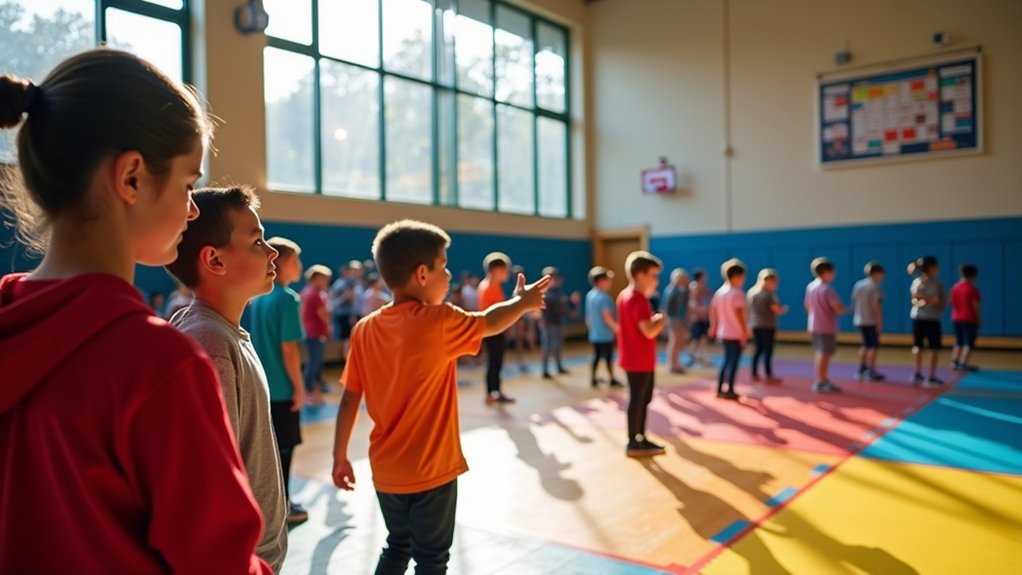
When coaches learn to implement visual supports effectively, they create environments where autistic athletes can truly thrive.
Start by designing clear, simple visual schedules that outline practice activities chronologically, enhancing predictability and reducing anxiety.
Tailor your visual supports to each athlete’s comprehension level using appropriate images or symbols for drills and routines.
Don’t overwhelm with complexity—focus on clarity and consistency.
These visual aids serve as powerful communication tools during changes and help athletes understand expectations.
Frequently Asked Questions
What Are the Benefits of Visual Schedules for Autism?
Visual schedules help you understand what’s coming next, reduce your anxiety, break down complex tasks, promote independence, and improve communication. They’re customizable tools that enhance your focus and allow you to follow routines without constant verbal instructions.
Why Are Visual Structured Routines Important for Autistic Children?
Visual structured routines give you predictability, reducing anxiety about changes. They’ll help you complete tasks independently by breaking them into manageable steps. You’ll feel more secure traversing your environment and can better engage socially and academically.
Why Do Visuals Help Autism?
Visuals help you if you’re autistic because they provide clear, predictable structures that reduce your anxiety. You’ll likely process visual information better than verbal instructions, helping you understand abstract concepts and navigate daily routines more independently.
What Are 5 Reasons Why Schedules Matter for Those With ASD?
Schedules matter for those with ASD because they’ll reduce your anxiety, boost your independence, enhance your communication skills, improve your shifts between activities, and provide you with personalized structure tailored to your specific needs.
In Summary
Visual schedules offer you a powerful tool to support autistic athletes in reaching their full potential. By implementing these structured visual supports, you’ll create predictability that reduces anxiety and builds confidence. Whether you’re preparing for training sessions or major competitions, these customized visual aids help develop independence while making sports more accessible. Remember, when you invest time in creating clear visual expectations, you’re setting up your athletes for lasting success.



Leave a Reply